On November 11, we presented MeContaí at the BFSHOW 2026 Arena, at Sebrae's Fashion Innovation Hub. We had 4 minutes to explain our focus: bringing back customers who have already bought from the store. We measured the same promotion at different times and with different audiences, and two factors mattered more than the offer itself: when the customer was contacted and their purchase history. This post covers what we said there, with a little more room.
- With the same promotion, contacting customers close to when they usually come back converts better than contacting them months later.
- Customers who have bought many times respond better than those who bought only once. Each group needs its own approach.
- The work combines automated messages, a daily list for salespeople and measuring the effect on revenue or retention.
When should you invite a customer to buy again?
Every store has a return time: how long returning customers usually take between one purchase and the next. At one store we studied, customers who came back took about 58 days to make a second purchase.
When the contact happens close to that time, conversion is much better than when the store waits months to try. By then, some customers have already bought somewhere else or forgotten about the store.
The same offer, sent at the wrong time, loses its pull. Knowing when each customer usually comes back is the first step, and you can calculate it from the sales the store already has:
- Pull your sales from the last 12 monthsOne row per sale, with the customer's ID.
- Count the days until the second purchaseFor each customer who bought more than once, count the days between the first and second purchase.
- Take the median of those intervalsPut the intervals in order and take the one in the middle. It's a good starting point, because a few extreme cases don't skew it.
The number you get is your store's return time. Rather work it out with us? Bring the spreadsheet to the diagnosis.
Why do customers who have bought more often convert better?
People who have never bought, or bought only once, have lower conversion rates. People who have bought eight times or more know the store, trust it and respond much better to the same message.
In three customer bases we analyzed, customers with 8 or more purchases converted 10 to 24 times more than those at the start of their relationship with the store.
That's why it makes no sense to send the same message, on the same day, to the whole customer base. The first step is to split customers by number of purchases and time since their last purchase. The details behind these numbers are in the post “Quem já comprou, compra de novo”.
What MeContaí does
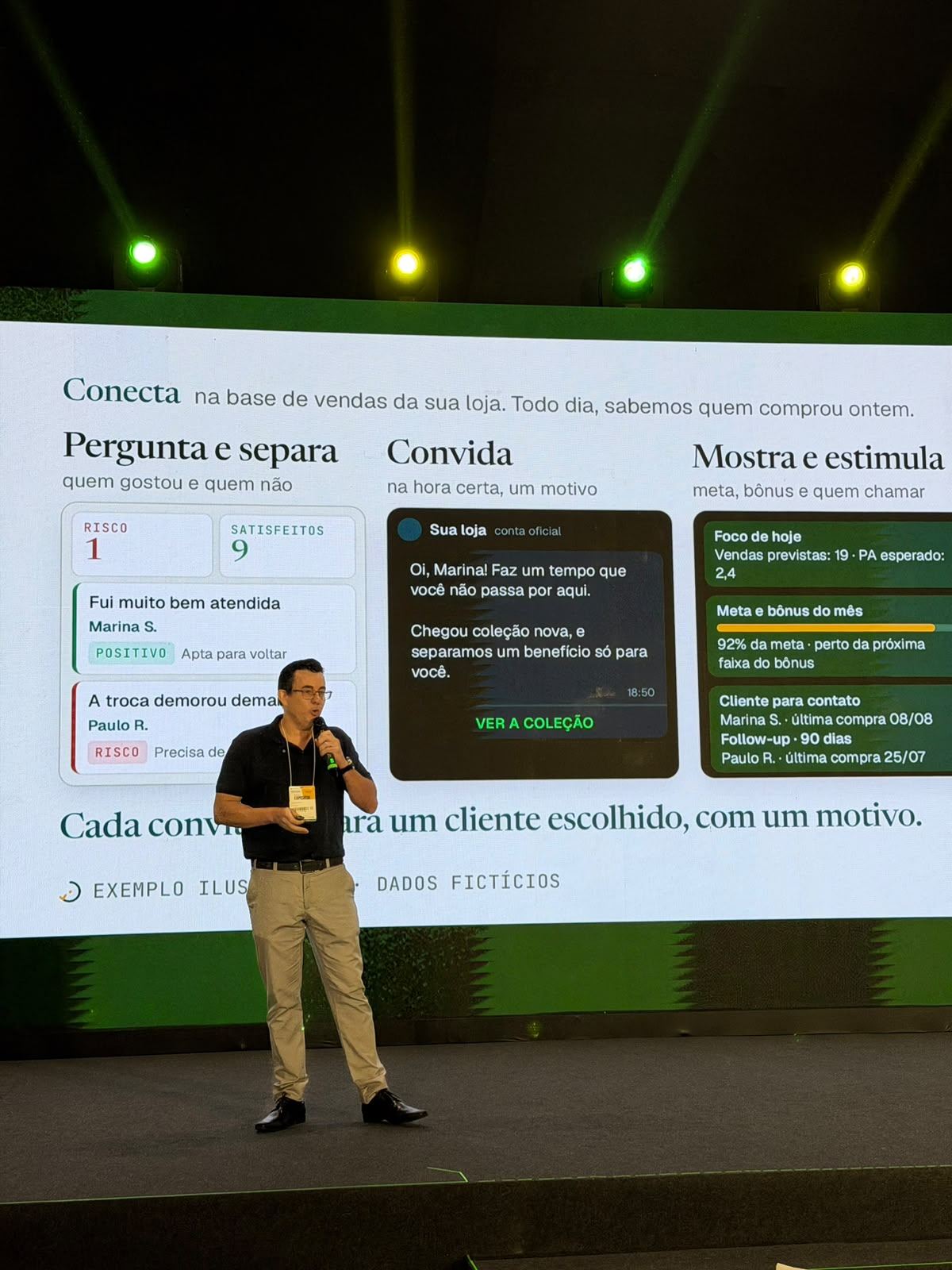
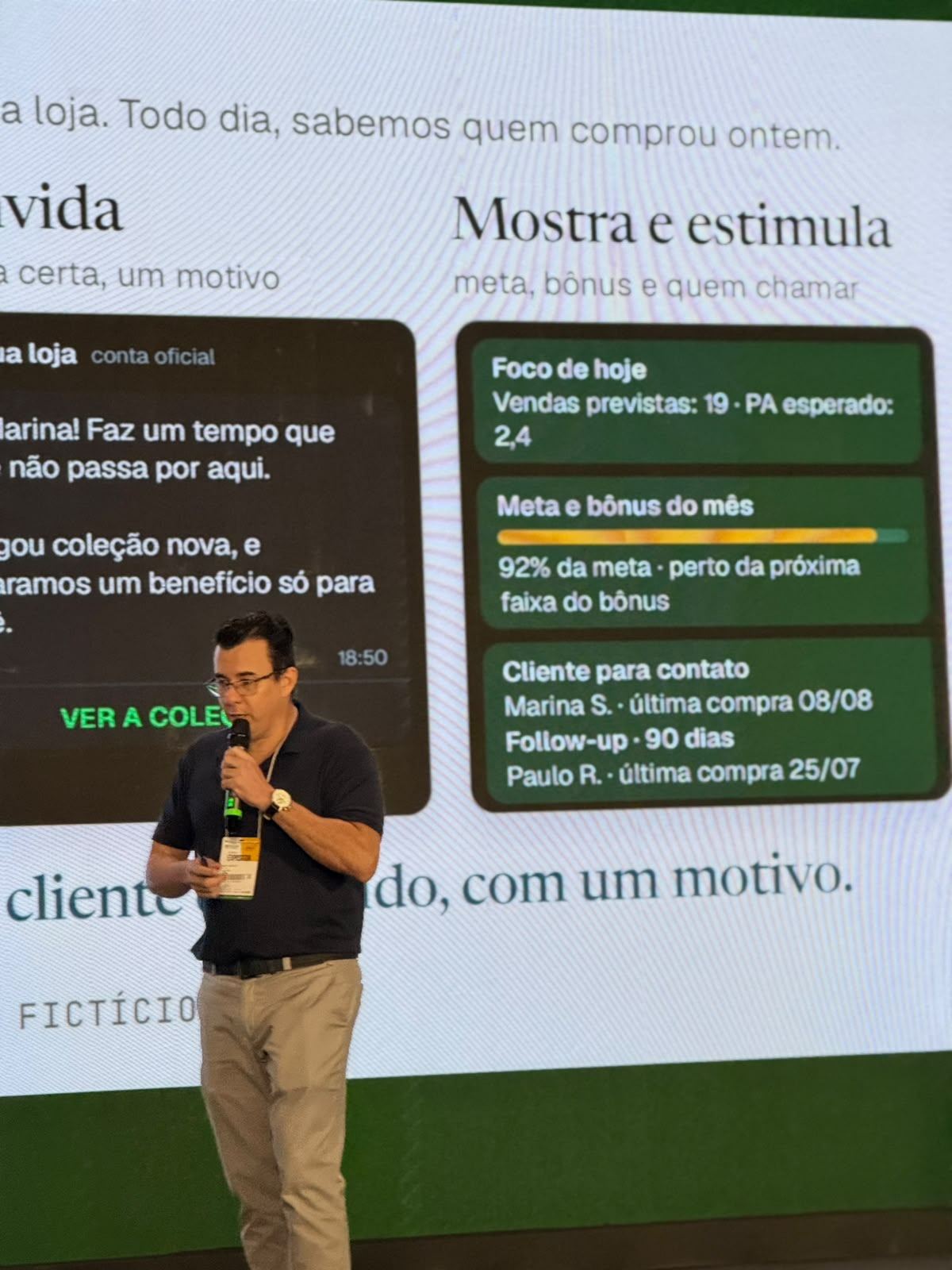
Our job is to get more customers to buy again. To do that, we combine three fronts:
- Automated messages at the right time. Each customer is contacted on WhatsApp close to when they usually come back, according to their group.
- Support for salespeople. Every day, each salesperson gets a short list of customers to contact personally. Many repeat purchases still come from a conversation with the person who served the customer last time.
- Measuring the effect. We show whether the effort is changing results or whether the store is where it was before. When the effect doesn't show up, we say what to adjust.
Measuring is what separates an effort that works from one that only seems to. Some customers would come back anyway, and we explain how to tell the difference in did your campaign convert, or was the customer coming back anyway?
Where does the effect show up: in revenue or in retention?
This isn't an investment that takes three or four months to show whether it works. From the first few weeks, you can track whether repeat purchases are happening.
Where it shows up depends on the size of the operation. In a smaller store, the effect usually shows up in the month's revenue itself. In a high-revenue operation, repeat purchases weigh less in the total, and the effect shows up first in retention: the share of customers who buy again.
Sending messages and counting who bought afterwards is the easy part. The real work is changing retention, and proving that it changed. MeContaí's smart post-sale was built for that.
Frequently asked questions
What is customer return time?
It is how long a returning customer usually takes between one purchase and the next at the same store. It varies from store to store and from product to product. Knowing it shows the best time to invite each customer to buy again.
How do I calculate return time?
Pull your sales from the last 12 months, with one row per sale and the customer's ID. For each customer who bought more than once, count the days between the first and second purchase. The median of those intervals (the middle value, with the intervals in order) is a good starting point, because a few extreme cases don't skew it.
Can I send the same message to every customer?
You can, but it usually brings in less. Someone who bought only once and someone who has bought many times respond differently to the same offer. Splitting customers by number of purchases and time since their last purchase helps you choose the message and the timing for each group.
What role do salespeople play in repeat purchases?
Many repeat purchases still come from a conversation with the person who served the customer last time. That's why, in addition to automated messages, MeContaí gives each salesperson a short list of customers to contact personally every day.